
Hair fall is a common concern that affects both men and women. While losing some hair every day is normal, excessive hair shedding, thinning hair, or a receding hairline may indicate an underlying issue. Choosing the right Hair Fall Treatment Services can help identify possible causes and support healthier hair growth.
Understanding the reasons behind hair loss is the first step toward managing it effectively. With appropriate hair care, professional guidance, and a suitable treatment plan, many people can improve their hair and scalp health. Alt Tag - Hair Fall Treatment Services
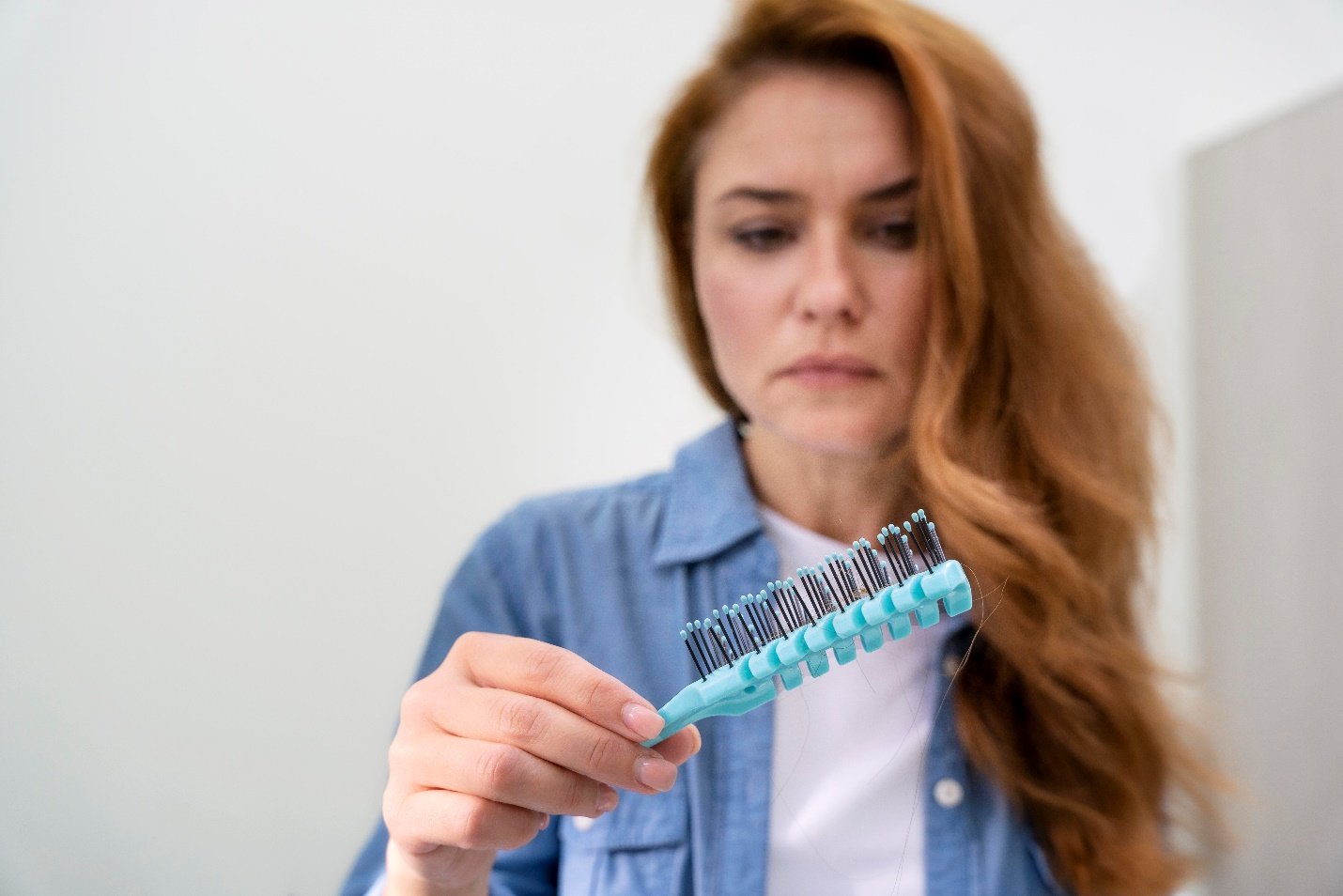
What Causes Hair Fall?
Hair fall can occur for several reasons. Identifying the underlying cause helps determine which approach may be most suitable.
1. Nutritional Deficiencies
Insufficient iron, protein, zinc, and other essential nutrients may contribute to hair shedding. A balanced diet supports healthy hair growth.
2. Stress and Lifestyle Changes
Physical or emotional stress, poor sleep, and sudden lifestyle changes can sometimes trigger increased hair shedding.
3. Hormonal Changes
Hormonal fluctuations and certain medical conditions may affect the hair growth cycle, resulting in thinning or excessive hair loss.
4. Scalp Problems
Dandruff, scalp irritation, inflammation, and other scalp conditions can affect scalp health and may contribute to hair-related concerns.
5. Genetics
Hereditary hair loss is a common cause of gradual hair thinning in both men and women. Early professional assessment can help identify suitable management options.
What Are Hair Fall Treatment Services?
Hair Fall Treatment Services include professional assessments and care options designed to address hair shedding, thinning, and related scalp concerns. The right service depends on the individual's hair condition, medical history, and the cause of hair loss.
Common options may include:
Hair and Scalp Assessment: Evaluating the scalp and hair-loss pattern to understand possible contributing factors.
Nutritional Guidance: Identifying dietary habits that may affect hair health and recommending appropriate changes.
Scalp Care: Managing certain scalp concerns with suitable products and professional advice.
Hair Growth Treatments: Depending on the diagnosis, a qualified healthcare professional may recommend evidence-based medications or other appropriate options.
Personalized Hair Care Plans: Developing a routine based on hair type, scalp condition, and individual needs.
Not every treatment works for every person. A qualified professional can help determine which options are appropriate.
How to Choose the Right Hair Fall Treatment Services
Before choosing a hair care clinic or service, consider the following factors:
Professional Assessment: Choose a provider who evaluates the possible causes of hair loss rather than recommending the same solution to everyone.
Personalized Recommendations: Your treatment plan should consider your symptoms, health history, and hair-loss pattern.
Clear Information: Ask about expected results, possible side effects, costs, and the time required to assess progress.
Realistic Expectations: Hair regrowth often takes time, and results vary depending on the cause of hair loss.
Follow-Up Care: Regular follow-ups can help assess progress and adjust the approach when needed.
Avoid services that guarantee immediate or permanent hair regrowth without an appropriate assessment.
Tips to Help Reduce Hair Fall Naturally
Alongside professional guidance, healthy daily habits may help maintain stronger hair.
Eat a balanced diet containing sufficient protein, iron, and essential nutrients.
Avoid tight hairstyles that repeatedly pull on the hair.
Limit excessive heat styling and harsh chemical treatments.
Use a gentle shampoo suitable for your scalp.
Manage stress through regular physical activity, relaxation, and adequate sleep.
Avoid taking hair supplements or medications without professional advice.
If hair loss is sudden, severe, patchy, or accompanied by scalp pain or irritation, seek medical advice to identify the cause.
When Should You Seek Professional Help?
Occasional hair shedding is normal, but persistent or increasing hair loss deserves attention. Consider a professional assessment if you notice:
Gradual thinning or a widening parting.
A receding hairline or visible bald patches.
Excessive hair shedding for several weeks.
Itching, redness, scaling, or discomfort on the scalp.
Hair loss following an illness, medication change, or significant lifestyle change.
Early assessment can help identify potentially reversible causes and guide appropriate care.
Conclusion
Finding suitable Hair Fall Treatment Services starts with understanding why your hair is falling. From scalp assessment and nutritional guidance to medically recommended treatments, the best approach depends on your individual needs.
Maintaining a healthy lifestyle, following a consistent hair care routine, and seeking professional advice when necessary can help you make informed decisions about your hair health. Choose a qualified provider who offers realistic guidance and a personalized approach instead of promising instant results.
Frequently Asked Questions (FAQs)
1. What are Hair Fall Treatment Services?
Hair Fall Treatment Services include professional hair and scalp assessments, guidance on possible causes of hair loss, and suitable care or treatment options based on individual needs.
2. What is the most effective treatment for hair fall?
The most effective option depends on the cause. Nutritional deficiencies, hereditary hair loss, and scalp conditions may require different approaches, so an appropriate assessment is important.
3. Can hair fall be reduced naturally?
A balanced diet, gentle hair care, sufficient sleep, and stress management may help support hair health. However, some causes of hair loss require medical evaluation or specific treatment.
4. How long does hair fall treatment take to show results?
Results vary depending on the cause and the chosen approach. Hair growth is gradual, and improvement may take several months. A qualified professional can explain realistic expectations.
5. When should I consult a professional for hair fall?
Seek professional advice if hair loss is persistent, sudden, severe, patchy, or associated with scalp irritation or other symptoms.
6. Are Hair Fall Treatment Services suitable for men and women?
Yes. Hair fall services may be suitable for both men and women, but the recommended approach depends on the person's hair-loss pattern, health history, and underlying cause.